
1-805-484-2992
Quotes - Engineering - SalesStart from the duty
Steam on the shell, product in a two-pass U-tube bundle. The ten stock BEU heaters cover 4 to 10 inch shells and about 8.8 to 70.3 square feet, with tri-clamp product ends and NPT steam and condensate.
Most stock units are 304L; one 8" x 54" model is a 3-A unit in 316L/304L. When a duty falls between stock sizes, the standard line adds about 32 configurations up to 12" x 108".
Hot water, glycol or chilled water on one side and product on the other. A chiller loop typically runs about a 10 F coolant rise across the exchanger, and that figure sets the coolant flow.
Sanitary product stays in the tubes, where it can be cleaned in place and inspected. A thick product or a close temperature approach usually calls for more tube passes rather than a bigger shell.
Falling film and rising film evaporators recover solvent. The evaporation system builder sizes them from test-center data, because an evaporator does not scale down or up well.
What an Enerquip exchanger adds is the calandria, reboiler or condenser built to that sizing, in food grade stainless at 32 Ra or better, with electropolish when the product calls for it.
Solvent recovery under vacuum or pressure, reflux and knock-back service, VOC emissions control and vacuum pump protection, in shells up to 48 inches.
Vertical U-tube knock-back condensers drain condensate from the shell and pull out for cleaning. Pharma condensers condense on the tube side, with tri-clamp ends built to ASME-BPE practice.
Ethanol chilled on the tube side with thermal oil, a heat transfer fluid or liquid nitrogen on the shell, then product coolers ahead of testing and packaging.
Winterization, decarboxylation and distillation each have their own heating or cooling step, and each can be a separate exchanger sized to its own temperature range.
If you know what goes in and what has to come out, start here. Each duty points to the Enerquip construction that usually fits it. Not sure which duty you have? Describe the process and we will place it.



Tell us the duty
Four answers size most exchangers. With them we can say wether a stock unit fits or a standard or custom build is the better route.
Both fluids
Name each fluid and its condition: steam pressure, the solvent and vaccum level, or the product viscosity. That decides which side each fluid runs on. A fouling or corrosive fluid goes where it can be cleaned, or where the better alloy costs least to buy.
Flow rate
Product flow in gallons per minute or pounds per hour, plus the utility flow if an existing chiller or boiler fixes it. If the flow swings, give us the minimum and the maximum.
Temperatures
Inlet and outlet temperatures on the product side, and the supply temperature of the steam, water or glycol. A close approach between the product outlet and the utility supply drives the surface area up quickly.
Limits
- Allowable pressure drop
- Space and nozzle orientation
- Code stamp and finish
- Utilities available on site
- The date it has to be running
Most used solutions
Solutions
Shell & Tube Condensers
Enerquip stainless shell-and-tube vapor condensers for solvent recovery, reflux, cold trap, pharma and VOC duty, under vacuum or pressure.
+ Learn More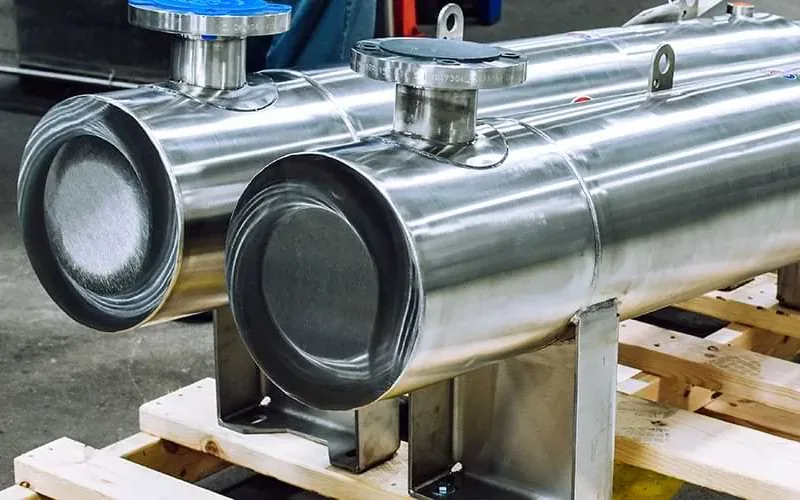
Solutions
Stock Units
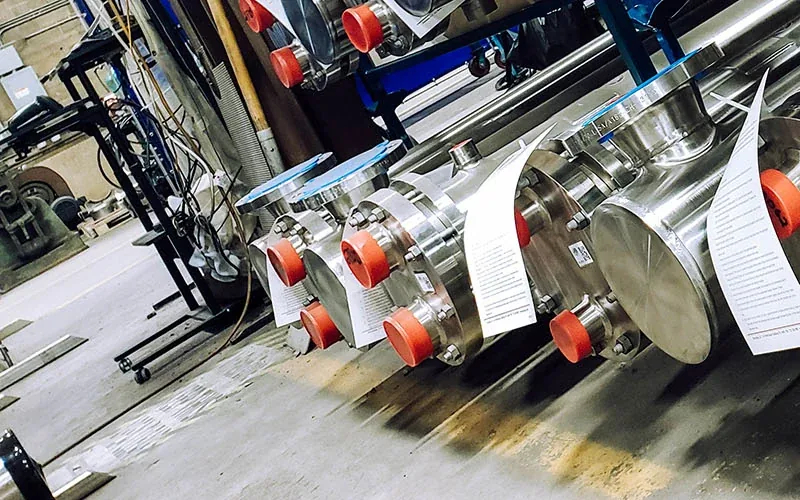
Enerquip stock sanitary U-tube steam heaters in 4 to 10 inch shells, 304L, TEMA C and ASME stamped, often shipping the next business day.
+ Learn More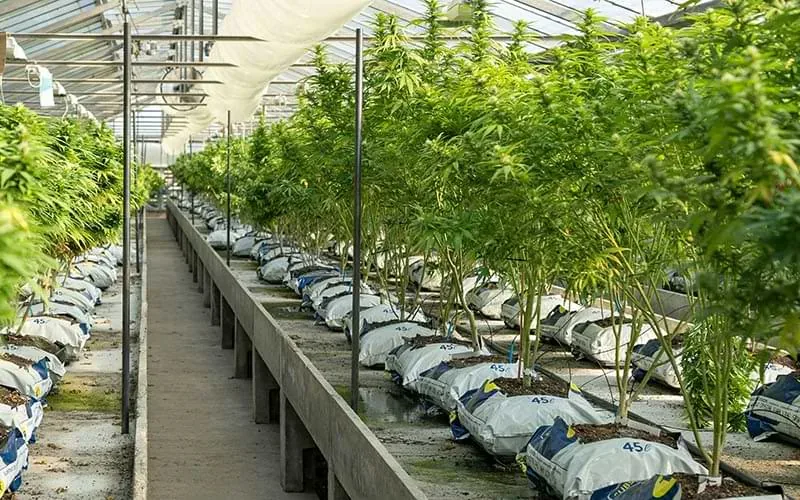
Process Applications
Cannabis Extraction
Cannabis extraction heat exchangers: subzero ethanol chillers, solvent recovery condensers, evaporators and product coolers in sanitary stainless steel.
+ Learn More