
1-805-484-2992
Quotes - Engineering - SalesFrom thin juice to thick chocolate
Sanitary heating and cooling for brewing, sauces, syrups and juices
A food plant can run apple juice in the morning and fruit jam by the afternoon, and the two behave nothing alike in a heat exchanger. Juice is thin, goes turbulent at modest velocity and heats evenly. Jam, syrup, sauce and melted chocolate are thick, often carry solids or sugar that caramelizes on a hot surface, and need either more tube passes or a gentler heating medium to avoid scorching.
Enerquip builds stainless shell-and-tube units for both ends of that range, plus the equipment around them: bayonet heaters for tanks of viscous product, steam generators for plants that need on-site steam without a large boiler, thermal fluid heaters for cooking, baking and drying lines, and waste heat economizers that recover energy the process would otherwise send straight up a stack.
Brewing duties come up regularly in this work. Wort cooling, hot liquor tank heating and glycol-cooled product loops all fit the shell-and-tube format, and Enerquip builds them to ASME code, stamped where the jurisdiction calls for it. Stainless construction leaves nothing behind that would change flavor, color or aroma, which matters to a brewer as much as the duty itself.
Request a Quote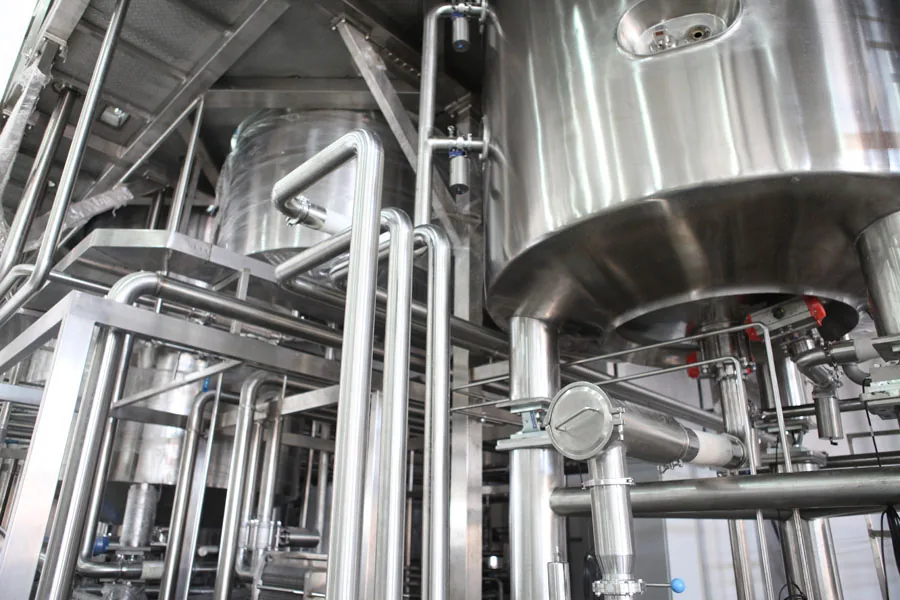
Sugar and protein burn at the wall before the bulk heats
In heat-sensitive food the tube wall reaches temperature first. A gentle heating medium, enough velocity and a quick pull-down protect taste and texture and keep a sugar film from baking onto the bore between washes.
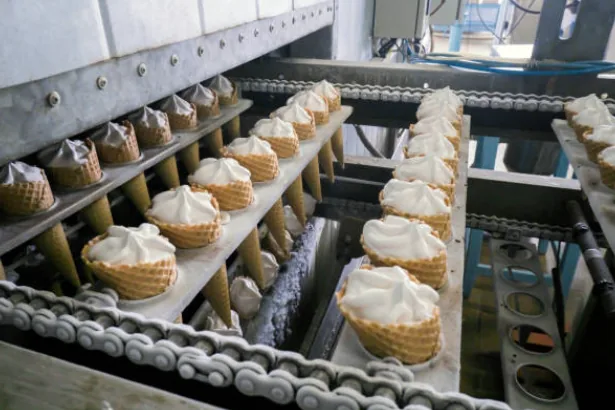
Product lines that fill fast
- Rapid cooling ahead of filling and packaging
- Pasteurizing juices, sauces and liquid foods
- Glycol or chilled water on the shell side
- Product in tubes, utilities around them
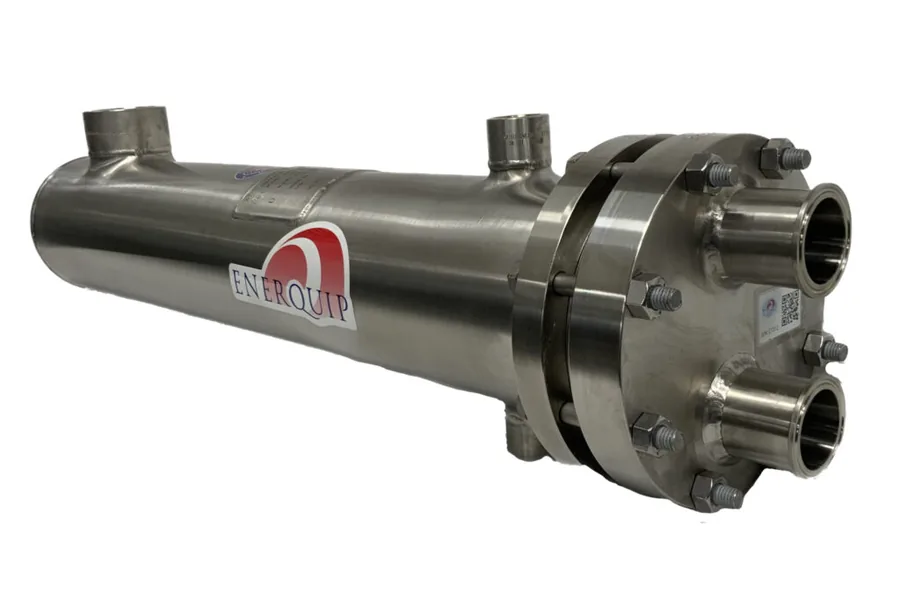
Sanitary construction you can see
- Tri-clamp bonnets for quick tube inspection
- 304L and 316L stainless product contact
- ASME code stamp with a witnessed hydro-test
- Passivation and electropolish done in-house
- Jaygo clamps where heads come off often
Food and beverage duties, matched to equipment
Six duties that come up in breweries, juice rooms and kitchens, and the Enerquip unit we would start with for each. Thin liquids go to shell-and-tube; thick tank products often do better with a bayonet.
| DUTY | EQUIPMENT | WHY IT FITS |
| Wort and hot liquor | Sanitary shell-and-tube | ASME stamped stainless with product in polished tubes and glycol or steam on the shell |
| Juice and thin liquid heating | Stock BEU heater | Steam-to-liquid U-tube heater in 304L with tri-clamp tube connections, often ready the next business day |
| Syrup, jam or chocolate tanks | Bayonet immersion heater | Heats the whole tank in place through an existing flange; bare tubes and hot water keep the wall gentle |
| CIP solution heating | Sanitary CIP heater | Finished to the standard of the line it cleans, with the wash solution in polished tubes |
| Cooker and kettle vapor | Vapor condenser | Condenses kettle vapor and reclaims volatile ingredients instead of venting them |
| Thermal fluid and heat recovery | Thermal fluid heater | Thermal fluid heaters and waste heat economizers outside the product zone, where a sanitary finish only adds cost |
Why heat-sensitive food is sized differently
Heat treatment has two jobs that pull against each other. It must inactivate bacteria and extend shelf life, and it must do that without dulling color, flattening flavor or breaking an emulsion. The way through is speed: reach temperature quickly, hold only as long as the process requires, then cool before the product has time to change. An exchanger chosen on surface area alone tends to be long and slow, which is the opposite of what the product needs.
Our engineers size from the fluid. Viscosity at the inlet and outlet, solids content, the highest wall temperature the product tolerates and the allowable pressure drop all go into the thermal model before a shell diameter is picked. Sugar-heavy syrups and chocolate usually want hot water or a controlled-temperature thermal fluid rather than live steam. Juices and wort can take steam directly and benefit from a short, high-velocity tube path.
Brewing adds its own checks. A wort cooler sees hot, sugary liquid on one side and cold water or glycol on the other, so the tube side has to stay smooth enough to clean between brews, and in many jurisdictions the unit has to carry a stamped nameplate that a local inspector will accept. On an ASME stamped Enerquip unit a third-party inspector reviews the design and witnesses the hydro-test, which takes that question off the table at installation.
Tanks, steam and cleaning
Bayonet heaters for viscous tanks
Some products should not be pumped through an exchanger at all. A thick sauce, a heavy syrup or a batch of chocolate is easier to heat where it sits, and a bayonet heater does that by putting a removable tube bundle straight into the tank through an existing flange or manway. Steam or hot water flows inside the tubes, the bundle comes out whole for cleaning, and a thermostat or thermowell can be added to hold the set point.
Brewing: wort, beer and cleaning
A brewhouse runs several heat duties everyday. The hot liquor tank needs brewing water held at temperature, wort is heated on the way to the kettle and cooled hard after the boil, and finished beer may be chilled for the bright tank or heated to pasteurize it. Plate units in these spots can foul with protein and hop debris, and their long gasket runs age under constant hot cycling. A sanitary shell-and-tube opens, cleans and reseals with little fuss, and the same design heats the brewhouse CIP solution.
Allergen and recipe changeovers
A plant that runs a peanut sauce and then a nut-free one has to show the line is clean between them, and the exchanger is part of that proof. Product-side surfaces that drain fully, and tri-clamp bonnets that come off for a look at the tube ends and tubesheet face, let QA confirm the wash worked before the next product starts. The CIP heater page covers the heater feeding that wash.
Recovering heat from the process
Cookers, ovens and dryers throw off heat that a waste heat economizer can put back to work, warming boiler feed, wash water or a CIP tank. Thermal fluid heaters do the reverse job, circulating hot oil in a closed loop to give a cooking, baking or drying line steady, uniform heat. Where neither unit touches product, both can be built without the cost of a sanitary finish.
Wort coolers, sauces and syrups
If its pressure and size bring it under your jurisdiction's pressure vessel rules, yes, and a stamp answers the question before an inspector or insurer asks it. Enerquip stock units are ASME code stamped and hydro-tested, and custom units can carry the stamp with a third-party witnessed hydro-test. An unstamped cooler bought for a new brewhouse can hold up the sign-off when the inspector will not accept it.
Product in straight tubes with a removable bonnet passes particulate that would bridge a narrow plate gap, and the tube diameter can be chosen around the largest piece in the product. Picking the smallest tube for heat transfer can leave seeds or pulp lodged at the inlet. Give us the particle size when you request a quote.
A bayonet heats the tank contents without pumping them, so a syrup too thick to circulate cold can still be brought up to temperature. Once it is warm enough to flow, an external shell-and-tube heater can take over the main duty. Many plants run both: the bayonet for start-up and holding, the external unit for throughput.
Related
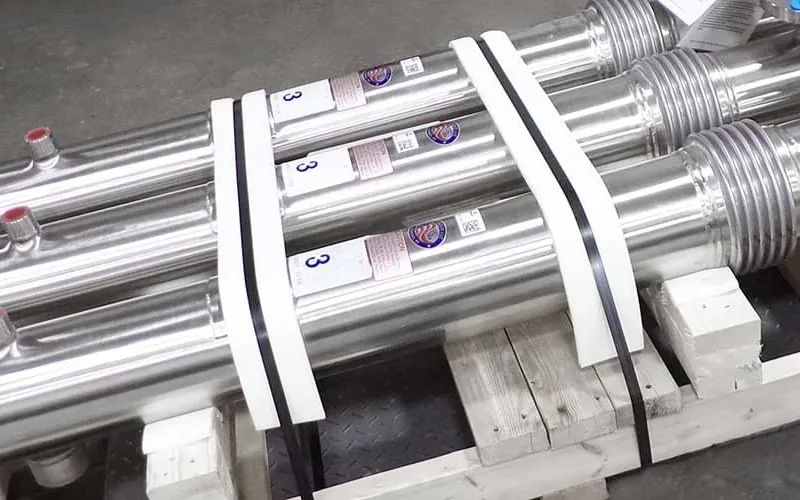
Sanitary Applications
CIP Heaters
CIP heat exchangers for clean-in-place skids: steam on the shell heats caustic, acid and rinse solution to about 185 F in polished stainless tubes.
+ Learn More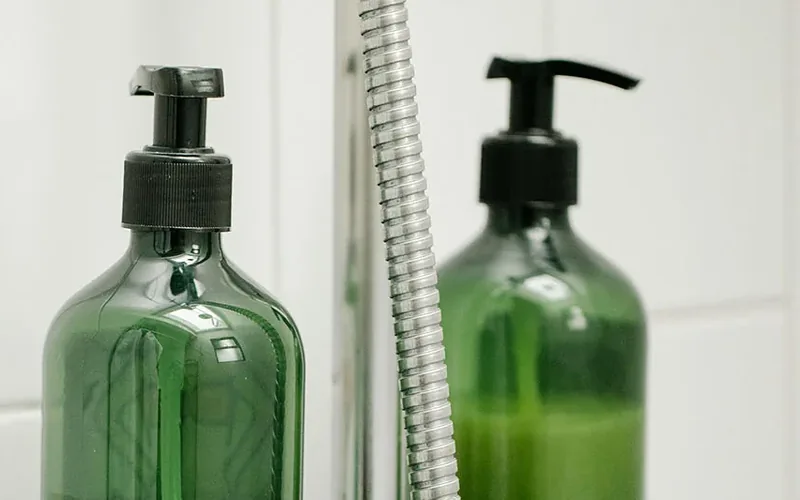
Sanitary Applications
Personal & Pet Care
Personal care heat exchangers for lotions, creams, shampoos and pet food: sanitary 316L shell and tube with polished finishes and double tubesheets.
+ Learn More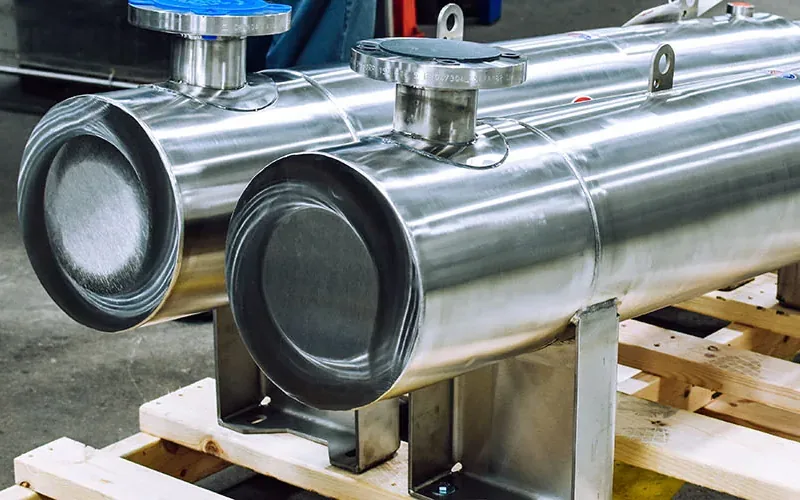
Sanitary Applications
Sanitary Shell & Tube
Sanitary shell-and-tube heat exchangers in 304L and 316L for food, dairy and pharma: product in the tubes, drainable, polished, built to 3-A when needed.
+ Learn More